
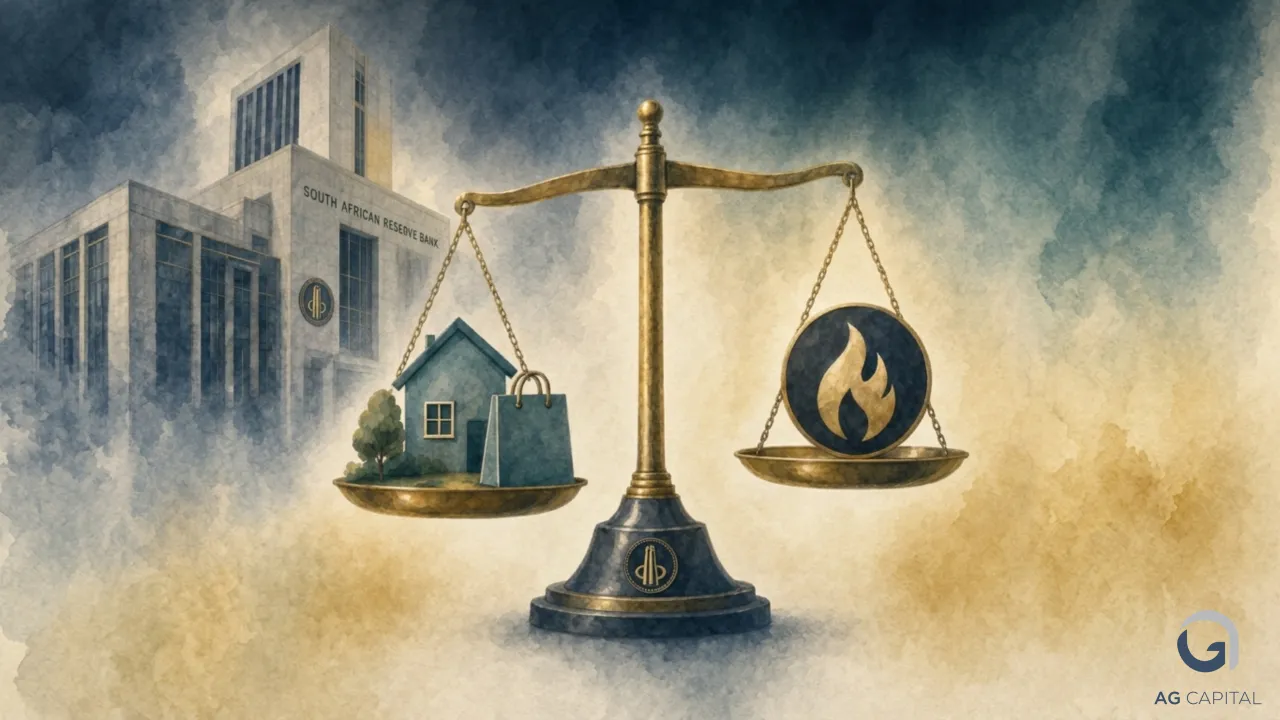
For most people, any talk of interest rate hikes lands with a thud. Bonds, car repayments, small‑business loans - higher rates bite quickly and visibly, especially when the cost of living already feels stretched.
Therefore, it’s no surprise that the idea of the Reserve Bank hiking into a supply‑driven shock feels, on the surface, counterintuitive. If inflation is mostly being pushed up by fuel and food, why punish households and businesses that had nothing to do with it?
That instinct is understandable, but it misses part of the story. The question isn’t really whether the shock itself deserves a hike - it’s whether the shock is starting to change how people think about inflation over the next few years, and whether the young 3% target can survive its first serious test without a nudge from the Bank.
With that in mind, it’s worth asking directly: when would a near‑term rate hike actually make sense, and how should it be communicated so it strengthens, rather than undermines, the Reserve Bank’s “look‑through” approach?
In the current environment, a 25‑basis‑point hike at the May or July MPC meeting would be justified under a few clear conditions. First, if the 2026Q2 BER survey (due around mid‑June) shows the 2‑year inflation expectation rising instead of easing, that would be a strong warning sign. Second, if headline inflation moves above roughly 4.2% and core inflation climbs past 3.5% in the April or May data, that would suggest the pressure is broadening beyond just fuel. Third, if we see a second shock layered on top of the current one - for example, clear signs of an El Niño‑driven food price spike, or a rand drop of 5% or more that doesn’t quickly reverse - the risk of second‑round effects goes up significantly.
Finally, if the Reserve Bank’s own model shows inflation returning to target only in 2028, that would be another strong argument for acting sooner rather than later.
In that setting, a small, pre‑emptive 25bp hike is like cheap insurance. It likely doesn’t cost much in growth terms (a stronger rand would soften the blow); however, it buys a lot in terms of protecting the new 3% target. Waiting only makes sense if you are fairly sure that the risk of expectations drifting away from the target is low. Given the current mix of food risks, currency uncertainty and still‑forming expectations, that’s a brave assumption.
There’s also an important point about “supply shocks”: the bar for hiking in response to a supply‑driven episode should not be higher than in normal times. The Governor has already pushed back against that idea, drawing on lessons from the 1970s–80s and the post‑COVID experience where emerging‑market central banks that moved early were mostly proven right.
The basic rule should always be the same: if the current path is unlikely to bring inflation back to target, you need to act. In fact, since expectations are still settling around 3% and the regime is new, that bar is arguably a bit lower than in a more mature system.
The tricky part is that the Bank would be raising rates into an economy already under pressure from the shock itself and from decades of weak growth. That’s exactly why the size of any move is so significant. In these conditions, small, careful steps (say, 25 bp at a time) make much more sense than large, sudden hikes. Moreover, the Reserve Bank should be equally ready to stop once expectations and core inflation show signs of firming around the target.
Communication then becomes critical. If the SARB does hike, it needs to explain the move in a way that supports, rather than weakens, its “look‑through” approach. Three things help. First, base the message firmly on the second‑round evidence: talk clearly about what has changed in expectations, core inflation and wages, not just about oil or food. Second, frame the hike as defending the 3% target, not as backing away from earlier promises. The Governor has already said that, if rates rise, it will be “to sustain low and stable inflation” – that is exactly what it will be.
Third, show a clear, conditional path back down. Use the Bank’s model to sketch the scenario in which inflation returns to 3% and interest rates can follow. Avoid surprises in the press conference; let the rate move itself be the tough part, and keep the language balanced.
In the 2022–23 hiking cycle, that kind of communication helped avoid a messy spike in long‑term borrowing costs, and it can do so again. Done properly, a small hike now would not contradict the look‑through principle at all - it would show that the Bank is willing to draw the line exactly where that principle says it should: at the point where a “temporary” shock begins to reshape expectations.
First published on LinkedIn, 14 May 2026.